7 Practical Ways to Curb Afternoon Sugar Cravings
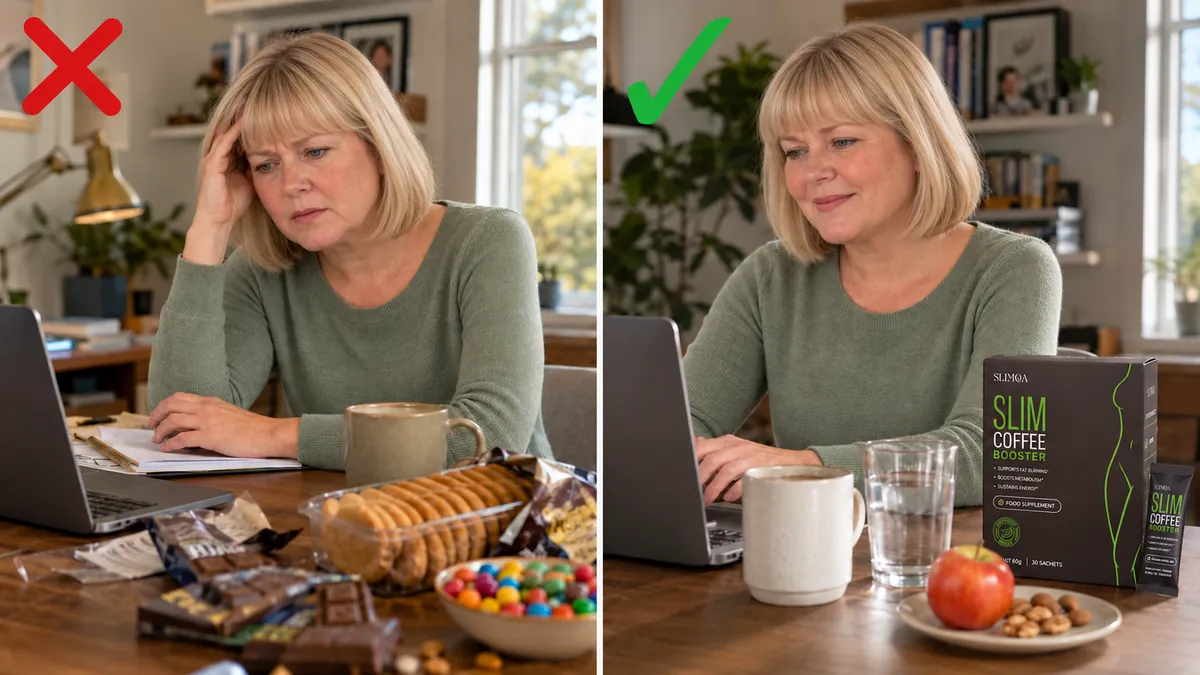
That 3 p.m. pull toward the vending machine isn't a personal failing. Here's what's usually behind it — and simple ways to take the edge off.
Afternoon cravings are one of the most common complaints we hear from readers. The good news is that they often follow a predictable pattern, which means small changes to your morning and midday routine can make a real difference.
Why cravings peak in the afternoon
Several everyday factors tend to stack up after lunch: a light or skipped breakfast, a carb-heavy lunch followed by an energy dip, mild dehydration, a short night's sleep, and stress from the workday. Each one nudges your body toward quick energy — and sugar is the fastest option within reach.
7 practical ways to curb afternoon sugar cravings
1. Build breakfast around protein and fibre
Eggs, Greek yogurt, oats, nut butter or a smoothie with protein keep you fuller for longer than a pastry on the run. A steadier start usually means fewer energy crashes later.
2. Don't skip lunch
Running on empty makes the afternoon slump worse. Aim for a balanced plate with protein, vegetables and a whole-grain carbohydrate.
3. Drink water before you snack
Thirst can feel a lot like hunger. Keep a refillable bottle on your desk and have a glass of water first when a craving hits — then see if you still want the snack.
4. Plan a smart afternoon snack
If you know you get hungry at 3 p.m., plan for it. An apple with a handful of almonds, cheese and whole-grain crackers, or veggies and hummus will hold you over better than candy.
5. Protect your sleep
Short sleep is strongly linked with increased appetite and cravings for high-sugar foods. A consistent bedtime is one of the most underrated craving-control tools.
6. Move for five minutes
A short walk around the block or up and down the stairs can shift your energy and break the "boredom snacking" loop — even in the middle of a Canadian winter.
7. Make your morning coffee work for you
Many people skip breakfast and rely on coffee alone. Pairing your coffee with real food — and keeping sugary add-ins in check — helps. Some readers also add a coffee booster to their morning cup as part of their routine; we cover what these products are in our guide to coffee boosters.
The bottom line
Cravings are usually a signal, not a character flaw. A protein-rich breakfast, regular meals, water, sleep and a little movement go a long way. If cravings feel extreme or are affecting your health, speak with your doctor or a registered dietitian.
This article is for general information only and is not medical advice. Read our medical disclaimer.